


Choosing reliable die casting parts for industrial machinery, automotive accessories, and precision hardware is far more complicated than most buyers realize. Many enterprises only focus on unit price and delivery speed, ignoring invisible defects that cause frequent equipment breakdowns, shortened service life, and unexpected maintenance expenses. Professional customized aluminum alloy die casting products eliminate these underlying risks from raw material selection to finished surface treatment, delivering stable performance that ordinary castings cannot match.
Most low-quality aluminum die castings suffer from internal porosity, shrinkage cavities, uneven wall thickness, and poor dimensional tolerance. These problems do not appear in initial inspection but gradually trigger leakage, fracture, deformation, and poor assembly fit after long-term operation. Factories often attribute faults to equipment wear, yet the root cause always lies in non-standard die casting processes and unqualified alloy material ratios. Cooperating with experienced manufacturers helps avoid repetitive losses caused by substandard finished components.
Professional die casting enterprise adopts standardized melting temperature control, precise mold clamping pressure adjustment, and automated pressure injection procedures to minimize internal structural defects of aluminum alloy castings. Strict material testing ensures consistent aluminum alloy density, corrosion resistance, and mechanical strength, matching strict industrial application standards for automobiles, new energy parts, communication housings, and mechanical structural components. Every production link follows mature industrial specifications to stabilize batch product consistency.
Many purchasers overlook post-processing matching requirements when ordering die casting parts. Simple casting molding cannot meet surface smoothness, thread precision, hole position accuracy, and anti-rust demands. High-end aluminum die casting supports integrated CNC precision machining, polishing, anodizing, powder spraying, and sealing treatment. Combined finishing processes greatly expand application scenarios and improve overall product durability under high temperature, vibration, and humid working environments.
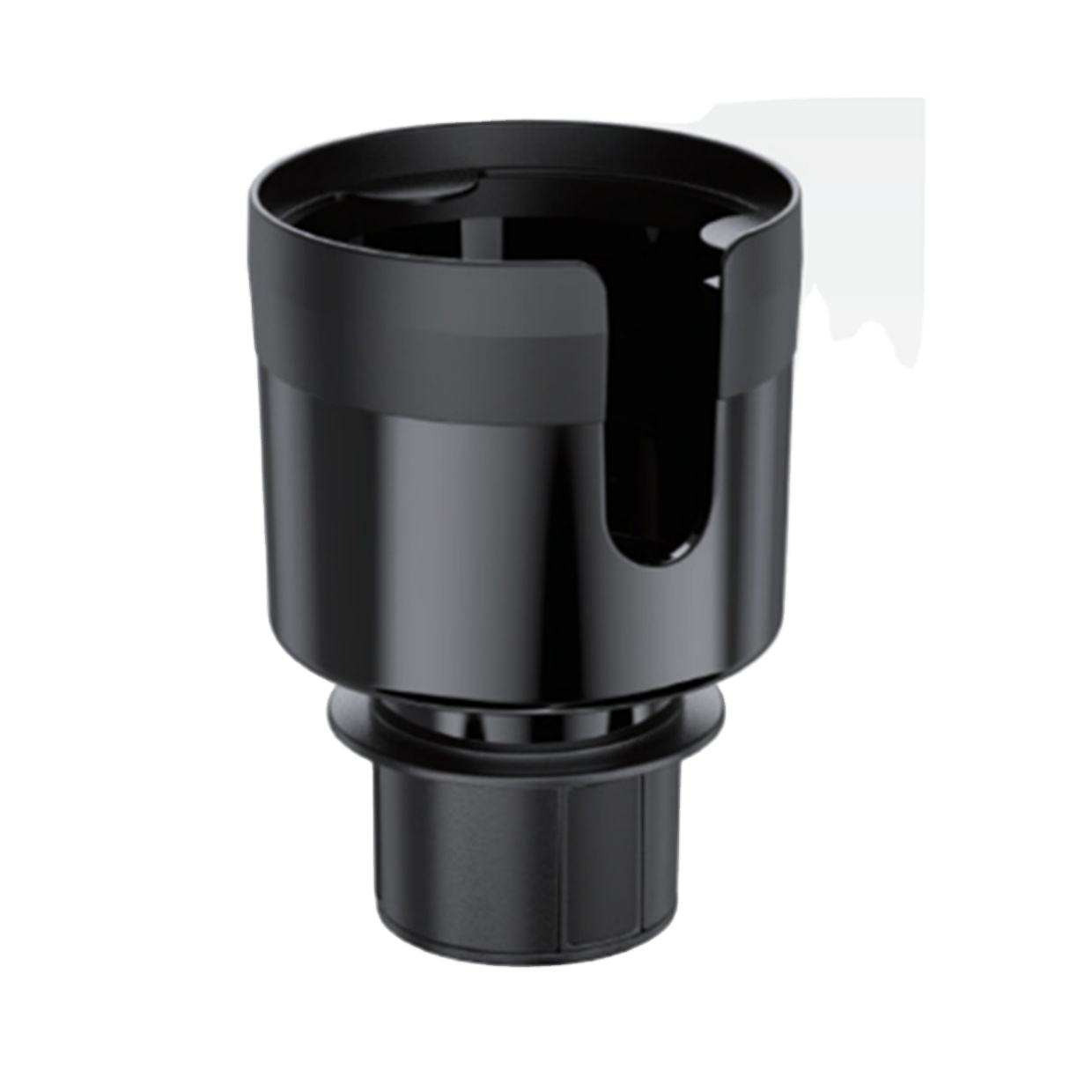
Long-term use cost comparison also reflects core advantages of premium aluminum die casting. Cheap inferior parts require frequent replacement and maintenance, raising labor costs, downtime losses, and supply chain instability. Durable precision die castings reduce overall procurement cycles and after-sales troubleshooting frequency, helping enterprises control comprehensive operating costs effectively while ensuring continuous and stable production operation.
Common Hidden Problems of Aluminum Alloy Die Casting & Corresponding Solutions
| Typical Hidden Defects | Influence on Actual Application | Optimized Solutions From High-Precision Die Casting |
|---|---|---|
| Internal porosity & air holes | Oil leakage, air leakage, reduced pressure resistance, easy cracking under vibration | Low-speed stable injection, vacuum die casting technology, strict molten gas removal process |
| Abnormal dimensional deviation | Poor assembly matching, loose fitting, unable to cooperate with supporting accessories | High-precision mold design, multi-stage dimensional inspection, tolerance control within micron range |
| Insufficient surface compactness | Weak corrosion resistance, easy oxidation, short service life outdoors | High-density molding process, multi-layer anti-corrosion surface treatment |
| Unstable alloy composition | Low tensile strength, easy deformation under high load | Qualified A380, ADC12 standard aluminum alloy, full-batch material composition detection |
| Uneven cooling deformation | Product warpage, irregular shape, scrapped finished products | Scientific mold cooling layout, constant temperature cooling process control |
Aluminum alloy stands as the most mainstream lightweight die casting material worldwide because of its low density, excellent heat dissipation, good casting fluidity, and easy secondary processing. Unlike iron castings, aluminum die castings effectively reduce overall equipment weight, lower energy consumption, and maintain excellent structural strength, which is widely favored in new energy vehicles, intelligent equipment, aerospace auxiliary parts, and household precision machinery. Reasonable material matching directly determines whether parts adapt complex and harsh working conditions.
Batch consistency remains a key pain point for bulk die casting procurement. Irregular manual operation leads to huge performance differences between single products, causing assembly confusion and unqualified finished equipment assembly. Fully automated die casting production lines realize unified parameter control for each product, ensuring that every batch of parts maintains identical size, structure, and mechanical performance, which fully meets mass customized supporting production requirements of large-scale industrial projects.
Surface treatment quality directly affects environmental adaptability of aluminum die castings. Humid coastal areas, corrosive chemical environments, and frequent outdoor exposure accelerate aging of ordinary castings. Standard anodizing forms dense protective oxide films, spraying treatment improves wear resistance and weather resistance, while thread rolling and hole precision processing guarantee stable connection performance under long-term frequent disassembly and assembly. Comprehensive surface treatment upgrades comprehensive practical value of die casting components in diverse scenarios.
When selecting die casting suppliers, enterprises should prioritize process maturity, testing capability, and customized service level rather than blindly pursuing low prices. Complete quality inspection reports, long-term after-sales technical support, and flexible mold opening customization can solve personalized structural requirements of special equipment. Reliable aluminum alloy die casting products fundamentally eliminate hidden safety hazards and economic losses, becoming stable supporting parts for long-term industrial production development.